Thoughtful packing and clear load information make dry-goods deliveries easier to plan. Before dispatch, check the packaging, documents and receiving arrangements together.
Match packaging to the goods
Choose packaging that protects the items through handling and movement. Consider whether cartons need internal protection, whether goods can be stacked and whether moisture or dust could damage the product. Mark fragile items clearly and share any special handling instructions.
Provide accurate load information
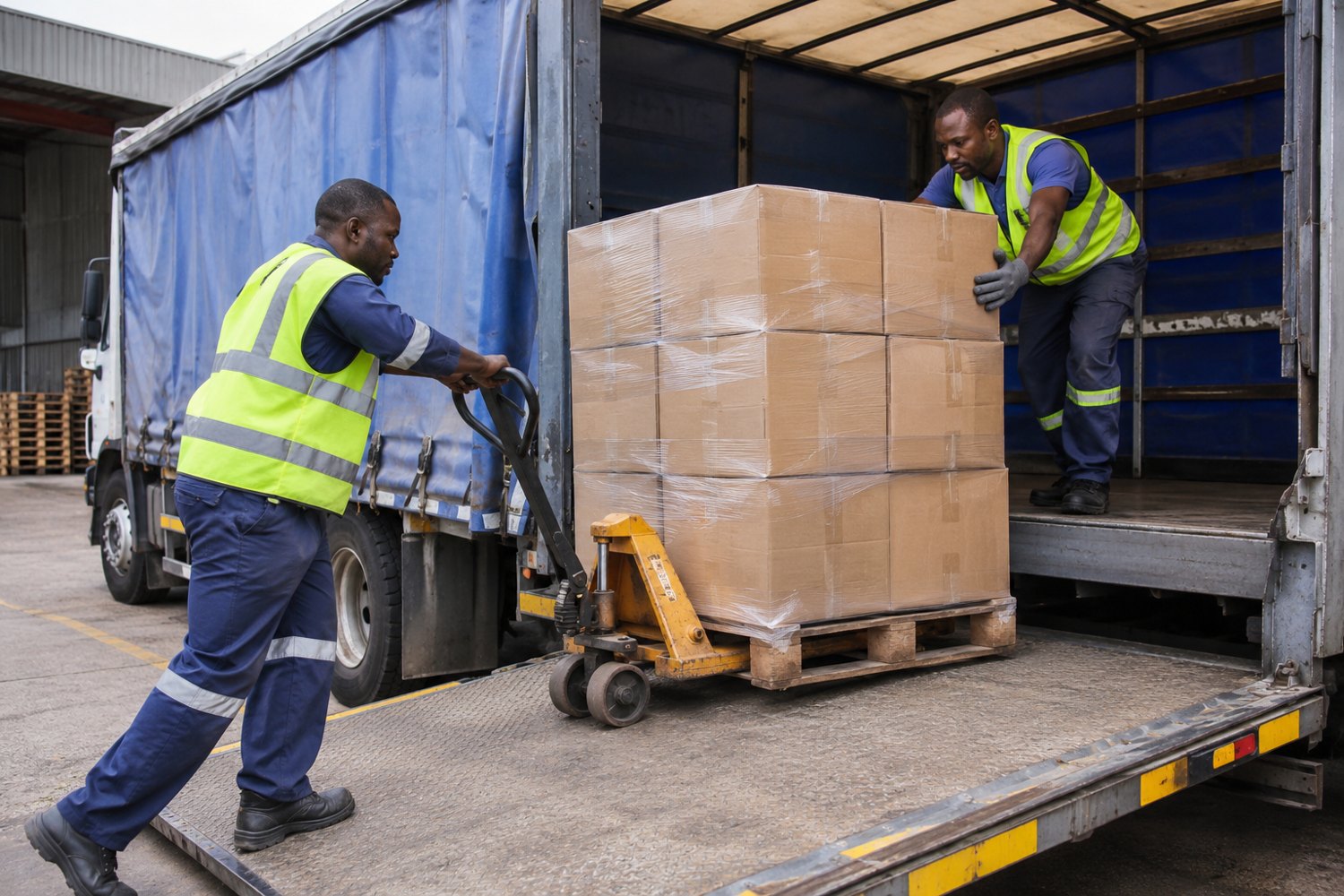
Tell the transport team the total weight, number of packages and dimensions. Explain whether the load is palletised, loose or unusually shaped. A curtain-side truck may make some loading tasks easier, but the actual method depends on the site, cargo and suitable equipment.
Check collection and delivery access
Confirm gate access, opening hours, loading space and who will receive the goods. If a forklift or other equipment is needed, agree who will provide it. Do not leave these decisions until the vehicle reaches the site.
Keep a clear record
Use a packing list that matches the physical load. Count packages at handover and note visible damage before departure. At delivery, compare the received items with the agreed documents so discrepancies can be addressed promptly.
Plan your next step with SIE Investments
Contact our team with your location, requirements and preferred timeframe. We will review the details and confirm the options, availability and quotation for your enquiry.